
Brand Backstory: How TJX Went from Zayre's Desperate Gamble to $50 Billion Treasure Hunt Empire

TJX Companies defies every retail rule imaginable.
TJX Companies:
Grew from $69 million loss to $50+ billion revenue powerhouse
Operates 5,000+ stores globally while others shutter locations
Founded by Ben Cammarata in 1976 with a code name mission: "Create a Marshall's killer"
Here's their story:
In 1976, Zayre Corp was bleeding cash. Department stores were crushing them. They needed something radical.

Ben Cammarata got a secret assignment. Build an off-price concept. Fast. Do whatever it takes.
He assembled a small team. They sourced from New York jobbers. European markets. Anywhere with deals.
The first T.J. Maxx opened in Massachusetts. Clean, bright stores. Brand names at bargain prices. Nobody had seen anything like this.
Mall executives literally laughed at the concept. One developer sneered: "It's junk. Nobody wants a junk store."
But shoppers came. And came. And kept coming.
By 1988, something wild happened. T.J. Maxx was making money. The parent company Zayre wasn't.
The board made a phoenix move. Sell the entire Zayre chain. Bet everything on off-price retail.
Industry observers called them crazy. Who kills their core business? Who bets on bargain hunting?
In 1989, TJX Companies was born. Just the off-price stores. Nothing else.

Then they went shopping themselves. Acquired Winners in Canada (1990). Launched HomeGoods (1992). Bought their rival Marshalls (1995).
Each move doubled down on treasure hunting. New merchandise arrives multiple times weekly. Store managers don't know what's coming.
"We want customers to say 'That feels too cheap." – CEO Ernie Herrman
Make one in ten items feel like stealing.
This unpredictability triggers something powerful. Fear of missing out. See it, love it, buy it. Tomorrow it's gone.

While competitors rushed online, TJX stayed physical. E-commerce doesn't capture treasure hunt magic. You need to touch, discover, explore.
Their stores are deliberately simple. No fancy fixtures. Minimal decorations. Just racks and racks of surprises.

The pandemic should have killed them. All stores closed. Revenue stopped. Everyone predicted disaster.
But 2021 proved everyone wrong. Customers flooded back with stimulus money. They craved the hunt. Sales exploded past pre-pandemic levels.

By 2023, TJX hit remarkable milestones. Market cap exceeded $100 billion. Opened store number 5,000. Expanded into Mexico and Middle East.
The "treasure hunt" keeps shoppers loyal in ways low prices alone cannot.
Average visit time: 40 minutes. Industry average: 33 minutes.
Shoppers even have a nickname: "Maxxinistas." They visit stores weekly. Sometimes daily. Always hunting for gems.
During economic downturns, TJX actually thrives. More shoppers seek value. More brands need liquidation. The model gets stronger.
In 2024, they're still accelerating. Planning 1,300 new stores. Launching joint ventures globally. Testing new formats constantly.
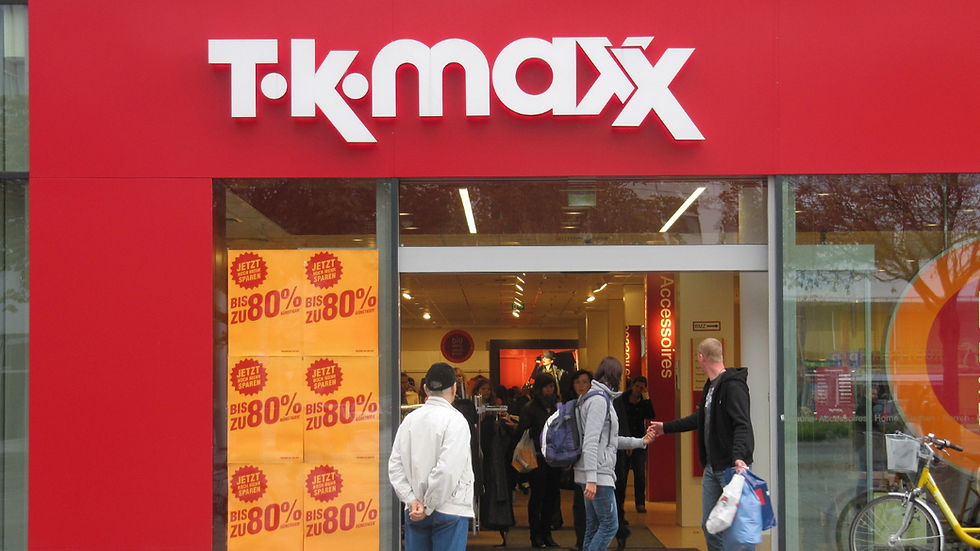
So what's TJX's secret sauce?
Build for flexibility, not permanence. No walls between departments. Modular fixtures everywhere. Today's shoe section becomes tomorrow's luggage display.
Make speed your superpower. Inventory turns every 55 days. Industry average: 85 days. Fresh treasures keep customers returning.
Design stores for discovery, not convenience. A little chaos is good. Wandering leads to finding. Finding leads to buying.
Keep construction costs ruthless. Simple buildings. Basic finishes. Every dollar saved goes to lower prices.
Support the supply chain obsessively. Stores are just the front. Distribution centers and logistics enable everything.

TJX teaches us profound lessons about retail. Physical stores aren't dying. They're evolving. Give customers experiences they can't get online.
The treasure hunt isn't about products. It's about possibility. What might you find today? That question drives 5 billion annual visits.

From Zayre's desperate experiment to retail's biggest success story. TJX proved that breaking rules beats following them.
They turned bargain hunting into adventure. Unpredictability into strategy. Chaos into billions.
That's finding gold in the discount racks.
Michele
KRCrossing Consulting


